
Washer, Dishwasher and Refrigerator Leaks: How to Stop the Damage
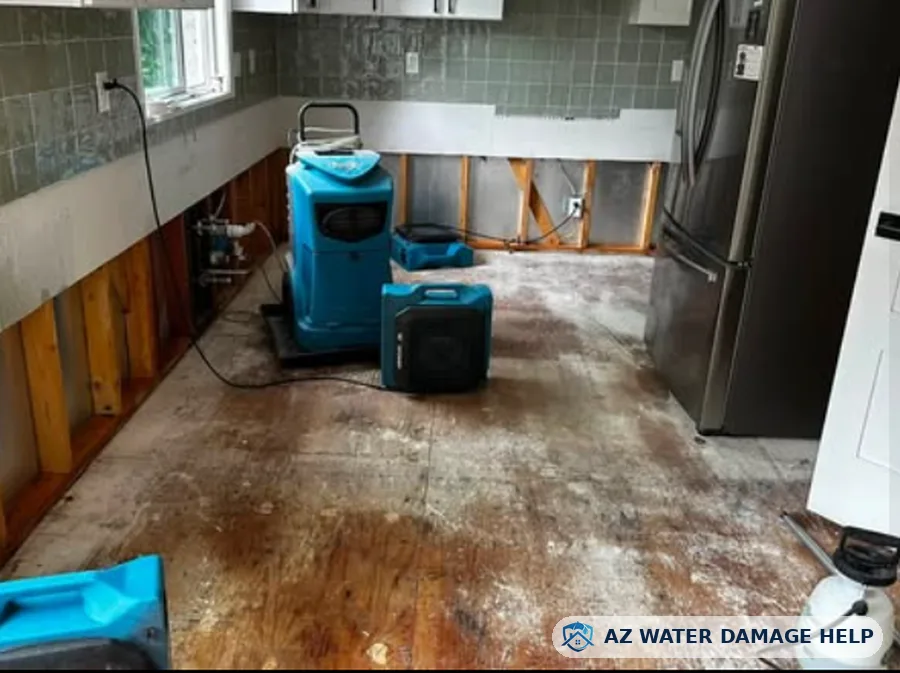
If an appliance leaks, turn off the water valve behind it or the main shutoff, then unplug it or flip its breaker if you can do so safely. Remove standing water, pull the appliance out to check the floor and wall behind it, and take photos. Water under cabinets and flooring should be dried within 24 to 48 hours.
The appliances that use water every day are also some of the most common sources of water damage. A washing machine hose can burst, a dishwasher line can drip under the cabinets for weeks, and a refrigerator ice maker line can leak where no one looks. This guide covers what to watch for and what to do when one leaks.
Reading this with water on the floor? Get help first.
Need Help Now? Tap Here(833) 937-0179What should you do when an appliance leaks?
Stop the water first. Most appliances have a shutoff valve behind or under them. If you cannot reach it or it will not turn, use the main shutoff for the house. Then deal with power, the water on the floor and the hidden water behind the appliance.
- Turn off the water. Use the valve behind the appliance or the main shutoff.
- Cut power safely. Unplug the appliance or flip its breaker, but only if you are not standing in water.
- Remove standing water. Use towels or a wet vac for a small, clean spill.
- Pull the appliance out. Check the floor, wall and cabinet sides behind it.
- Take photos. Capture the leak, the part that failed and any damage.
- Call for help if water reached drywall, cabinets or the space under flooring.
Washing machine leaks
Washer hoses are under pressure all the time, even when the washer is off. A rubber hose that bursts can release a lot of water fast, often in a laundry closet next to a bedroom or hallway. Washer water can also carry soap and dirt, so it is often treated as gray water (Category 2) under the IICRC S500 standard.
Warning signs
- Bulges, cracks or kinks in the supply hoses
- Rust or mineral crust on the hose fittings
- Water on the floor after a load
- Damp or swollen baseboards near the washer
- A musty smell in the laundry room
Dishwasher leaks
Dishwasher leaks are easy to miss. The supply line and drain hose sit behind the unit, and a small drip can soak the cabinet base and subfloor for weeks before you notice. Arizona's hard water also builds mineral deposits on valves and fittings, which can wear them out.
Warning signs
- Warped or soft flooring in front of the dishwasher
- Swelling in the cabinet sides or toe kick next to it
- Water under the door after a cycle
- A musty smell under the kitchen sink
Refrigerator and ice maker leaks
The thin water line to the ice maker and water dispenser is a common failure point. It can crack, loosen when the fridge is moved, or leak at the valve. Because the fridge rarely moves, a slow leak can run a long time and soak the floor and wall behind it.
Warning signs
- Water pooling under or in front of the fridge
- Flooring that lifts or cups near the fridge
- Ice maker that stops making ice or makes small cubes
- A stain on the ceiling below an upstairs kitchen
In homes in places like Sahuarita, a small ice-maker or dishwasher line can leak under cabinets for weeks. By the time floors cup, the job often includes mold remediation as well as drying.
Who fixes the appliance, and who fixes the water damage?
An appliance repair technician or plumber repairs the appliance or its water line. A water damage restoration crew handles extraction, drying and repairs to cabinets, drywall and flooring. The crew uses moisture meters to find water that ran under cabinets or flooring, which is where most appliance damage hides.
| Appliance | Where water usually hides |
|---|---|
| Washing machine | Laundry room baseboards, wall bottoms, next-room flooring |
| Dishwasher | Cabinet base, toe kick, subfloor under the unit |
| Refrigerator | Floor and wall behind the fridge, ceiling below |
| Water heater | Garage floor, drywall at the base of shared walls |
Water heaters are covered in our guide to water heater and AC drain leaks.
Is appliance water damage covered by insurance?
Most Arizona homeowners policies cover sudden and accidental water damage, such as a burst washer hose or appliance failure, minus your deductible. Gradual leaks and poor maintenance are usually excluded. Keep the failed part if you can, take photos and call your insurer early. Read does Arizona homeowners insurance cover water damage for more.
How can you prevent appliance leaks?
- Replace rubber washer hoses with braided hoses, and replace old hoses before they fail.
- Leave a few inches of space behind the washer so hoses do not kink.
- Turn off the washer valves when you leave town.
- Check under the dishwasher and kitchen sink every few months.
- Have the ice maker line checked any time the fridge is moved.
- Install leak sensors near the washer, dishwasher and fridge.
Hard-to-spot leaks are covered in 9 signs of hidden water damage. We handle appliance leak cleanup in Queen Creek, Florence, Vail and across our Arizona service areas.
Dealing with water damage now? Talk to a live person 24/7.
Get Expert Help 24/7(833) 937-0179Frequently asked questions
Can I use my washer or dishwasher after it leaked?
Not until the cause is found and fixed. Running it again can push more water under cabinets and flooring. Have the hose, valve or line repaired first.
Is washing machine water clean or dirty?
Water from a burst supply hose is usually clean. Water from the drain side or during a cycle carries soap and dirt, so it is often treated as gray water (Category 2), which needs more cleaning.
How long do washing machine hoses last?
It depends on the hose and your water. Rubber hoses wear out faster than braided ones, and Arizona's hard water adds wear. Check them often and replace any with bulges, cracks or rust at the fittings.
Why is my floor warped in front of the dishwasher?
A slow leak from the supply line, drain hose or door seal often soaks the flooring and subfloor. Check under the unit and the cabinet next to it, and have the area checked with a moisture meter.
Does insurance cover a refrigerator ice maker leak?
Sudden and accidental leaks are usually covered, minus your deductible. A slow leak that went on for weeks is often excluded. Your adjuster decides, so document the damage and keep the failed part.

About the author
Noah Miller founded AZ Water Damage Help in Queen Creek to give Arizona homeowners fast, honest water damage help. He writes and updates these guides using public guidance from the EPA, the IICRC, the National Weather Service and Arizona state agencies. More about Noah.
Sources
- EPA: Mold
- IICRC (Institute of Inspection, Cleaning and Restoration Certification)
- Arizona Department of Insurance and Financial Institutions