
How to Document Water Damage for an Insurance Claim
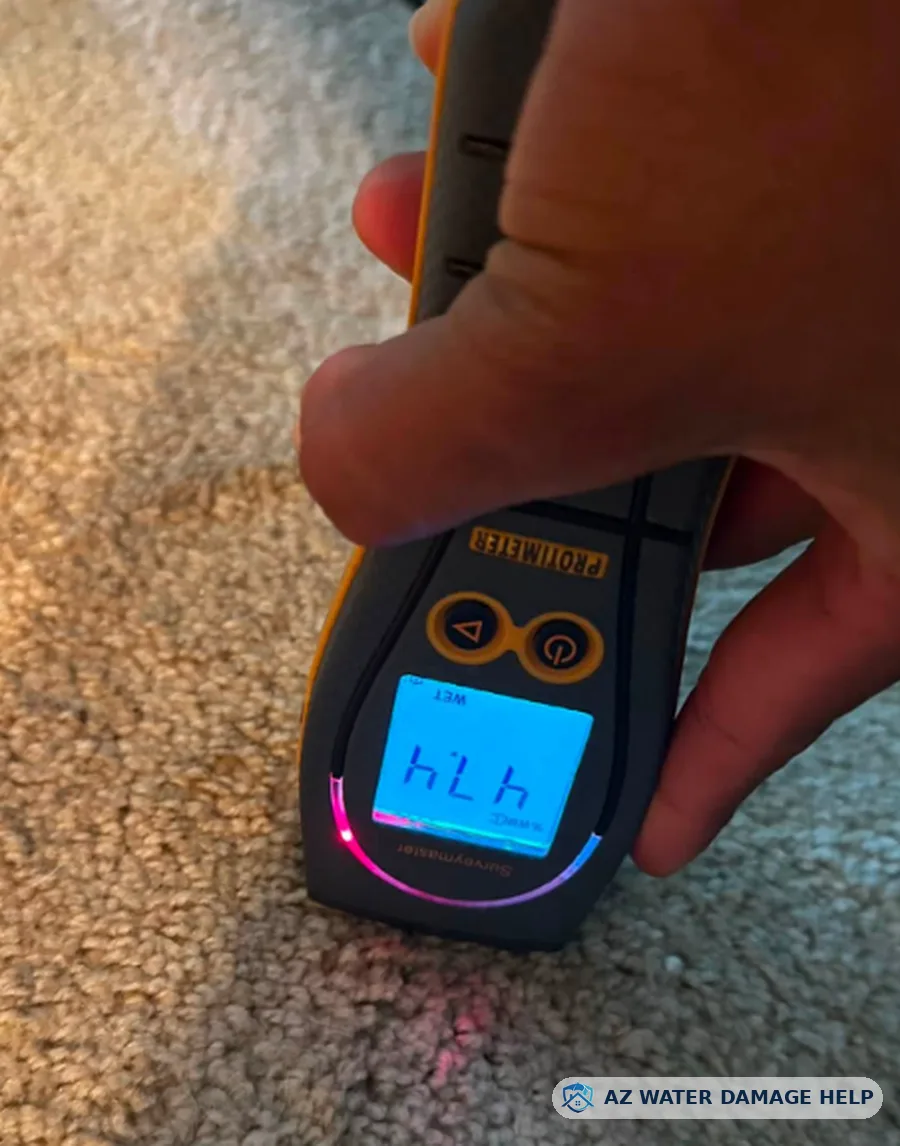
To document water damage for insurance, take wide and close-up photos and video of the source, the water and every damaged item before cleanup, write down when you found it, keep damaged items or samples until the adjuster says otherwise, save every receipt and get the drying crew's moisture readings in writing. Report the claim quickly and keep a log of every call.
A water damage claim is only as strong as its records. Adjusters want to see what happened, when it happened and what it cost. Most of that proof disappears once the water is gone and the wet drywall is in a dumpster. A few minutes with your phone before cleanup, and a folder for receipts after, can save weeks of back and forth.
We help homeowners across southern Arizona, including water damage restoration Marana AZ families who need fast, documented drying.
For the full picture of what policies pay, read does insurance cover water damage in Arizona.
Reading this with water on the floor? Get help first.
Need Help Now? Tap Here(833) 937-0179What should I photograph first?
Start with the source. Then shoot the water itself, then the damage room by room. Take a wide shot of each room from the doorway, then close-ups. Turn on the room lights and use your phone's timestamp. Video is great for showing water moving or dripping. Do this before you move anything, but never put yourself at risk to get a photo.
- The source: burst pipe, failed hose, water heater, roof or door
- Standing water, with something in the frame for scale
- Ceiling stains, sagging drywall and wet walls
- Flooring: carpet, pad, wood, vinyl plank and tile
- Cabinets, baseboards and doors
- Furniture, electronics and stored items, with brand labels where you can
What records should I keep?
Keep a simple claim folder, on paper or on your phone. Adjusters look for a clear timeline and proof of cost. Missing receipts are one of the most common reasons a payment is lower than it should be.
| Record | Why it matters |
|---|---|
| Date and time you found the water | Shows the loss was sudden, not long-term |
| Photos and video before cleanup | Proves the extent of damage |
| The failed part (hose, valve, fitting) | Shows the cause; keep it |
| Plumber's or leak detection report | Names the cause and the repair |
| Moisture readings and drying logs | Shows drying was done to industry standards |
| Receipts for repairs, hotels and meals | Supports extra costs and loss of use |
| List of damaged items with age and price | Speeds up the contents part of the claim |
| Call log: date, name, what was said | Keeps everyone accountable |
Should I clean up before the adjuster comes?
Yes, after you document. Most policies expect you to prevent more damage, so do not leave water sitting while you wait. Photograph everything, then start extraction and drying. Keep samples of removed carpet, pad or drywall if you can, or ask the drying crew to photograph and measure what they remove.
Our 24/7 water extraction crews photograph the damage, take moisture readings and keep drying logs that adjusters can review. Learn what the work looks like in the water damage restoration process.
What should a drying report include?
A good drying report shows where the crew measured, what the readings were on day one and how they dropped each day until the materials reached a normal dry level. It should list the equipment used, how many air movers and dehumidifiers ran in each room, and what was removed and why. Ask for photos of wet materials before removal and of the room once it is dry.
- A floor sketch with numbered moisture reading spots
- Daily readings for walls, floors and cabinets
- Indoor temperature and humidity each day
- Equipment count by room and by day
- A list of removed materials with photos
Industry groups such as the IICRC publish the drying standards many adjusters expect. Our water damage drying time guide explains how long each material usually takes in Arizona homes.
What mistakes slow down a claim?
The most common are throwing out damaged items before they are photographed, waiting days to report, fixing the leak without keeping the failed part, letting materials stay wet until mold grows, and signing papers you do not understand. Ask questions in writing and keep copies.
If mold shows up because drying was delayed, it may not be covered. Fast drying protects both your home and your claim. If you already see spots, ask about water damage mold removal and document it the same way.
Where can I get help with an Arizona claim?
Your agent and adjuster are the first stop. If you have a complaint about how a claim is handled, the Arizona Department of Insurance and Financial Institutions takes consumer questions. Our insurance claim help page explains how our crews work with adjusters and how we bill.
For what policies usually cover, read whether Arizona homeowners insurance covers water damage.
Dealing with water damage now? Talk to a live person 24/7.
Get Expert Help 24/7(833) 937-0179Frequently asked questions
How soon should I report water damage to my insurer?
As soon as you can, ideally the same day. Late reports can make it harder to show the damage was sudden.
Can I throw away wet carpet before the adjuster sees it?
Photograph it first, measure it and keep a sample if you can. Then remove it so mold does not start.
Do I need moisture readings for my claim?
They help a lot. Readings and drying logs show the job was done properly and how long it took.
Will my insurer pay for a hotel while my home dries?
Many policies include loss of use or extra living expenses. Keep every receipt and ask your adjuster what applies.

About the author
Noah Miller founded AZ Water Damage Help in Queen Creek to give Arizona homeowners fast, honest water damage help. He writes and updates these guides using public guidance from the EPA, the IICRC, the National Weather Service and Arizona state agencies. More about Noah.
Sources
- Arizona Department of Insurance and Financial Institutions
- IICRC (Institute of Inspection, Cleaning and Restoration Certification)
- EPA: Mold